Productivity Methods
Workflow
Benefits of Using a To-Do List
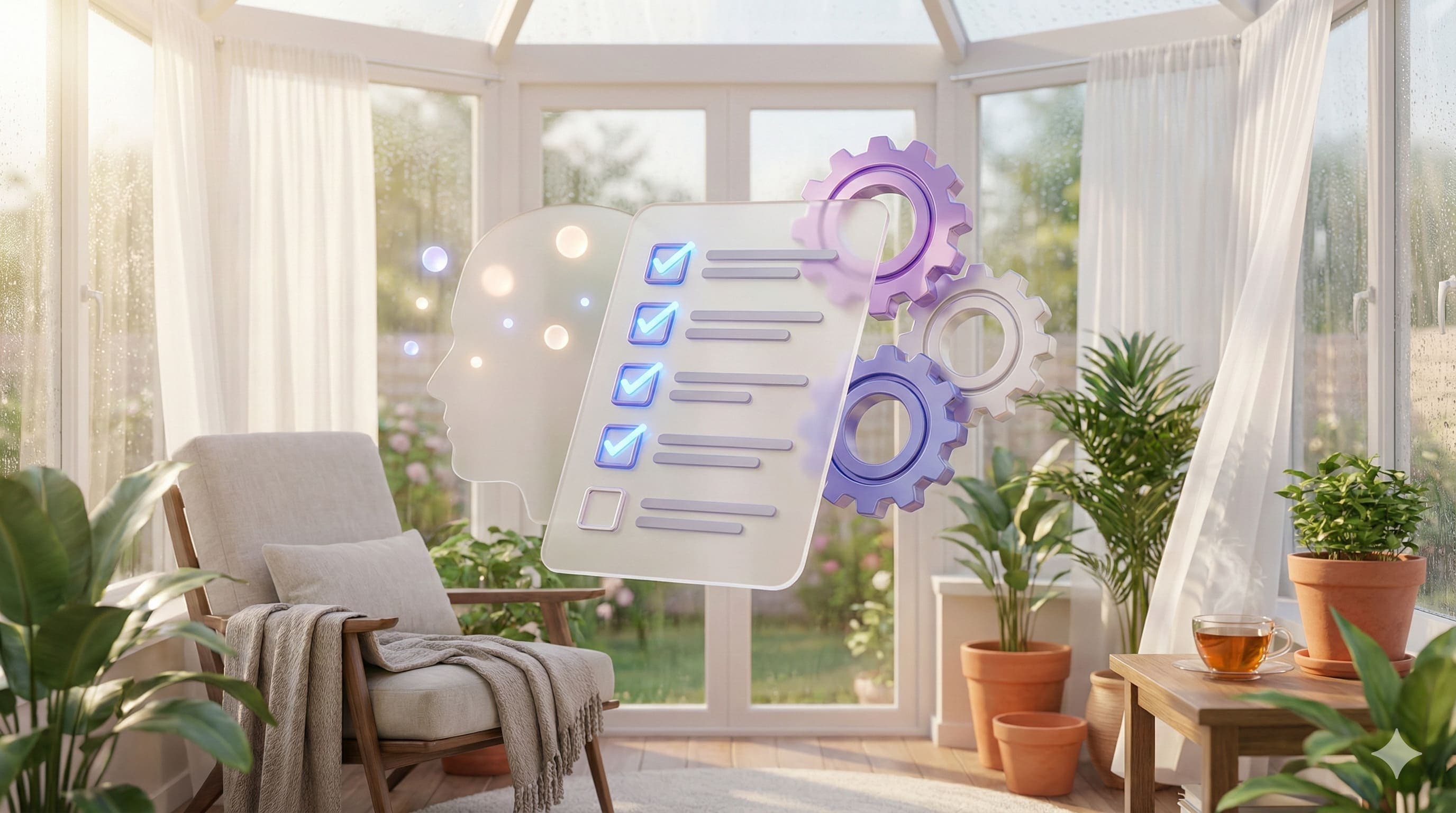
To-do lists help offload mental load, organise priorities, reduce stress, and stay motivated. Simple but powerful for output and mindset.
Use a small practical exercise to apply the ideas in this guide. Try the Eisenhower Matrix.
Key takeaways
- To-do lists provide clarity by forcing you to see all tasks at once, helping you prioritise effectively
- Writing tasks down frees up mental space and reduces the anxiety of trying to remember everything
- Breaking large goals into smaller tasks makes them less daunting and more achievable
- Crossing items off your list provides motivation through visible progress and small wins
- The best to-do list is one you use consistently - whether paper, digital, or hybrid
Benefits of Using a To-Do List #
A to-do list is one of the simplest productivity tools you can use - and one of the most powerful. When done well, keeping a list of tasks to complete gives clarity, structure, and momentum. Below are several benefits you'll likely notice once you build the habit.
1. Prioritisation and Clarity #
- Having a list forces you to lay out what needs to be done. This helps you see which tasks are urgent, which tasks matter most, and which should wait.
- You avoid waste: instead of reacting to whatever feels pressing in the moment, you can pick your tasks based on importance and deadline.
- Research shows that people who use to-do lists are better able to manage multiple goals and get things done in an order that aligns with their priorities.
2. Offloading Mental Load #
- Your brain has limited capacity for holding onto unfinished tasks. Writing them down frees up mental space.
- Unfinished tasks tend to linger in your mind as small stressors; listing them reduces anxiety.
- A to-do list functions like an external memory: you don't have to remember everything, which reduces the risk of forgetting or feeling overwhelmed.
3. Better Time Management #
- With all tasks visible, you can plan your time more realistically: estimate durations, slot tasks into your calendar, and avoid over-booking yourself. Try combining your list with the Pomodoro Technique to estimate how many 25-minute sessions each task requires.
- Breaking large goals into smaller tasks becomes easier. Smaller tasks are less daunting and more likely to get done.
- Having a written plan makes follow-through more likely - when you see what you need to do, you're more likely to start.
4. Motivation and Satisfaction #
- Crossing items off a list gives an immediate sense of accomplishment. Checking things as "done" boosts morale and encourages further progress.
- Seeing your progress in tangible form (tasks completed) helps you stay motivated, especially when a list includes many smaller wins.
- It builds momentum: completing simple tasks early in the day can energise you to tackle harder ones later.
5. Reduced Stress and Improved Well-Being #
- Knowing all your tasks are accounted for reduces the fear of forgetting something.
- The act of planning for a day or week - writing down what needs to be done - often reduces anxiety and gives a clearer sense of control.
- A clear to-do list enables better balance: you can allot time to work, rest, personal goals, and avoid constantly feeling behind.
6. Better Goal Achievement #
- To-do lists help you translate big goals into actionable steps. Rather than vague "I should do X," you get specific tasks that move you toward your goal.
- Regular use keeps you aligned with longer-term goals, not just daily urgencies.
- Helps prevent procrastination: smaller, concrete tasks are easier to start.
Practical Tips to Make Your To-Do List Work #
Here's how to get the best out of your to-do list habit:
- Keep the daily list manageable: pick a few high-value tasks rather than a huge pile.
- Use categories or tags (urgency, work / personal, etc.) so you can filter tasks by context.
- Review the list regularly - at the start and end of your day or week. Move forward anything unfinished.
- Be flexible: if something urgent arises, be ready to reshuffle tasks.
- Choose the right format for you - paper, digital app, or hybrid. The tool matters less than using it consistently. If you're considering going digital, read our guide on moving from written to digital to-do lists.
Using a to-do list isn't about making your day more rigid - it's about making it clearer. Once you get into the rhythm of listing, prioritising, and checking things off, you'll likely find your days feel more organised, less stressful, and more productive.
A useful companion: Pomodoro Timer.
Quick Questions
What are the main benefits of using a to-do list?
The main benefits include better prioritisation and clarity, reduced mental load from not having to remember everything, improved time management, increased motivation from checking off completed tasks, reduced stress, and better goal achievement by breaking big tasks into actionable steps.
Should I use a paper or digital to-do list?
The best format is whichever you'll use consistently. Paper works well for those who enjoy the tactile experience of writing and crossing things off. Digital apps offer features like reminders, syncing across devices, and organisation. Many people use a hybrid approach.
How many items should be on a daily to-do list?
Keep your daily list manageable by picking a few high-value tasks rather than a huge pile. Many productivity experts recommend 3-5 priority tasks per day. This prevents overwhelm and increases the likelihood you'll complete what matters most.
Why does crossing items off a to-do list feel so satisfying?
Completing tasks and checking them off triggers a small dopamine release in your brain, creating a sense of accomplishment. This builds momentum - completing simple tasks early in the day can energise you to tackle harder ones later.
Other articles worth reading

Productivity
10 Quick Ways to Improve Productivity and Efficiency
Bite‑sized actions you can take right now to do more and do it better - improve both productivity and efficiency with simple, practical changes.
Productivity Tools
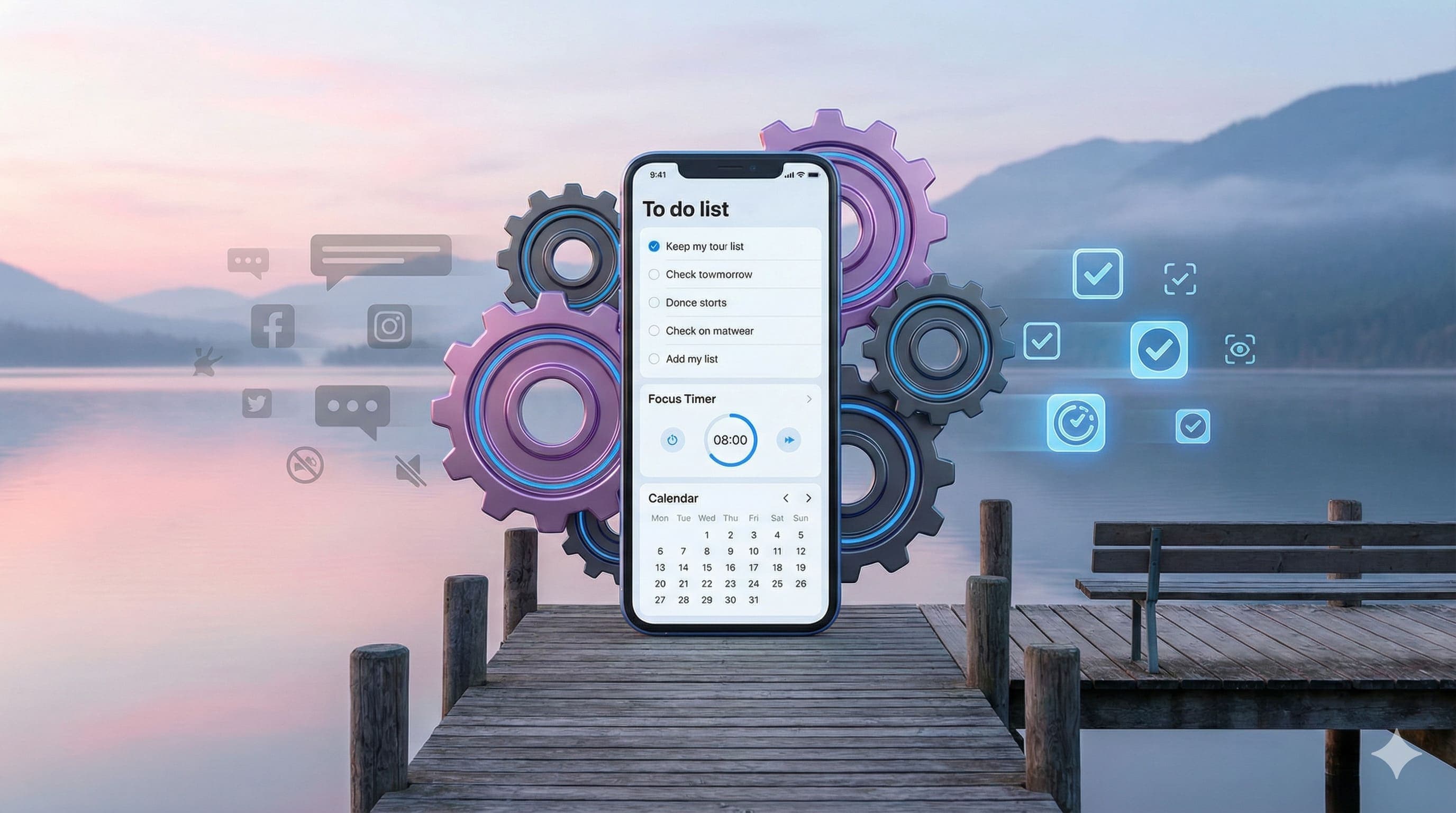
How to Use Your Phone to Increase Productivity
Your phone doesn’t have to be a distraction. With deliberate setup, right tools, and boundaries, it can become one of your most productive assistants.
Productivity
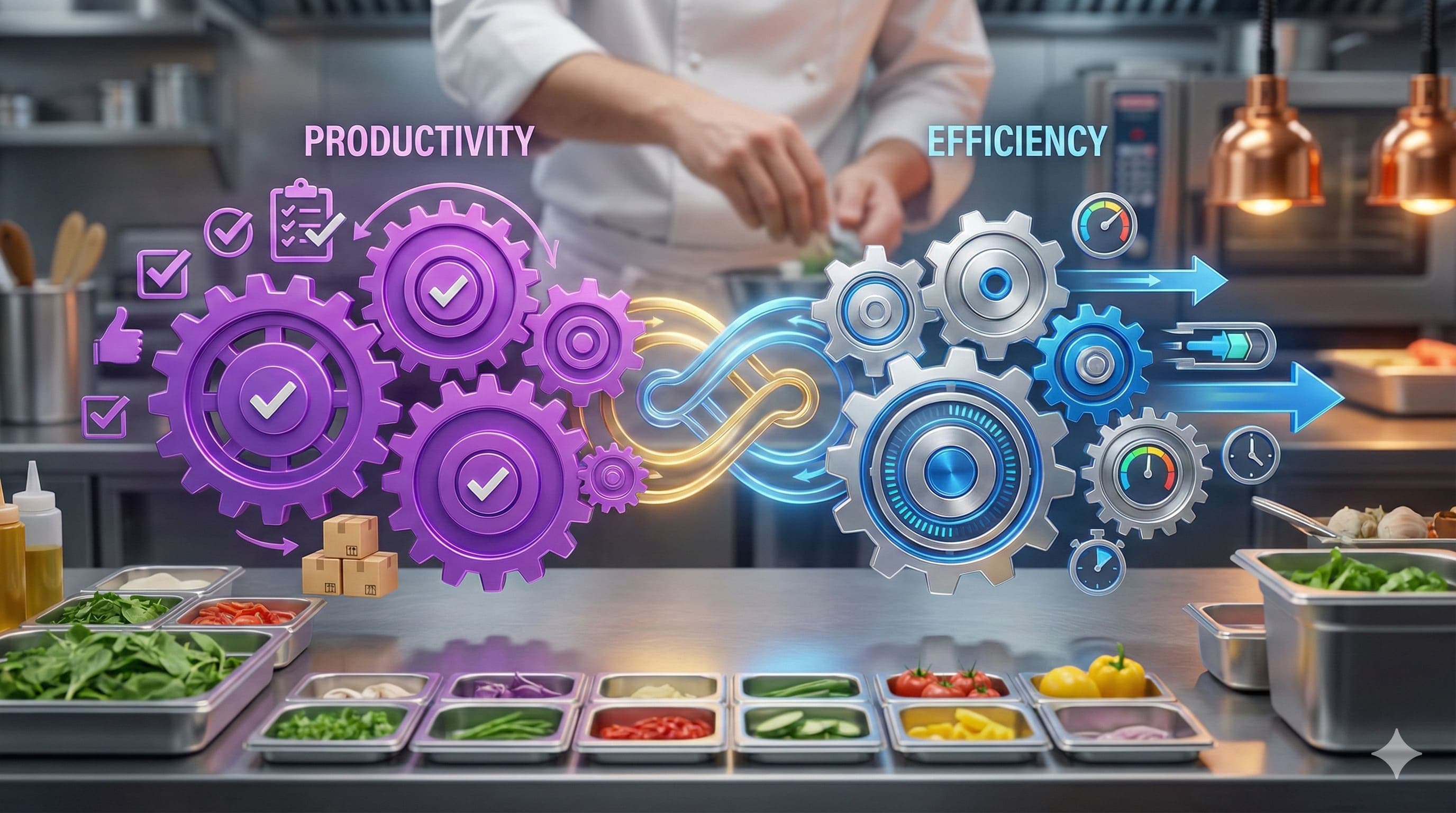
Understanding the Difference: Productivity vs Efficiency and How to Improve Both
Productivity measures what you accomplish; efficiency measures how well you use resources. Discover strategies to improve both.